
PROPERTY DEFECT GUIDE
Chemical Damp Proof Courses: Do They Work?
Chemical damp proof courses (DPCs), including systems such as Dryzone, Dryrod and other injected damp proof creams, are commonly recommended to treat rising damp. This guide explains how chemical DPCs work, when they are effective, common misconceptions and what independent MRICS Chartered Surveyors look for before recommending treatment.
📅 Updated: July 2026 ⏱ 6 min read
Written & Reviewed by
Martin Tate BSc (Hons), Dipl. HI, MRICS
Building Surveyor, Chartered Surveyor & RICS Registered Valuer
This Property Defect Guide has been written and reviewed by Martin Tate BSc (Hons), Dipl. HI, MRICS, an independent Chartered Surveyor and RICS Registered Valuer. The guidance is based on real residential property inspections, current RICS Home Survey Standards and practical experience identifying property defects for homebuyers across the Midlands, East Anglia and the South East.
✓ Building Surveyor
✓ Chartered Surveyor (MRICS)
✓ RICS Registered Valuer
✓ Advice based on real property inspections and current RICS standards
Need Survey Advice?
Thinking about installing a chemical damp proof course? Our independent MRICS Chartered Surveyors provide clear, impartial advice to help you identify the real cause of damp before you spend money on unnecessary treatments.
Surveyor's Summary
Chemical damp proof courses can be an effective treatment for genuine rising damp, but they are not the solution for every damp problem. During a RICS Home Survey, we assess whether damp is caused by rising moisture, bridging, condensation, leaking pipework or external defects before recommending any remedial treatment. Correct diagnosis is essential to avoid unnecessary expense and ensure the underlying cause is properly addressed.
The Problem
Chemical damp proof courses (DPCs) are widely used to treat genuine rising damp by injecting a water-repellent cream or fluid into the mortar bed of a wall. Once cured, the treatment is designed to create a new damp proof barrier that restricts moisture rising through the masonry.
However, not all damp at low level is caused by rising damp. Condensation, leaking plumbing, bridged damp proof courses, high external ground levels and defective rainwater goods can all produce similar symptoms. Installing a chemical DPC without first identifying the true cause may result in unnecessary expense while the underlying defect remains unresolved.
Typical Signs
✓ Tide marks or staining on internal walls
✓ White salt deposits (efflorescence)
✓ Deteriorating plaster at low level
✓ Peeling paint or wallpaper
✓ Damp readings concentrated at the base of walls
✓ No existing or defective damp proof course
🟥 INSPECTION EXAMPLE
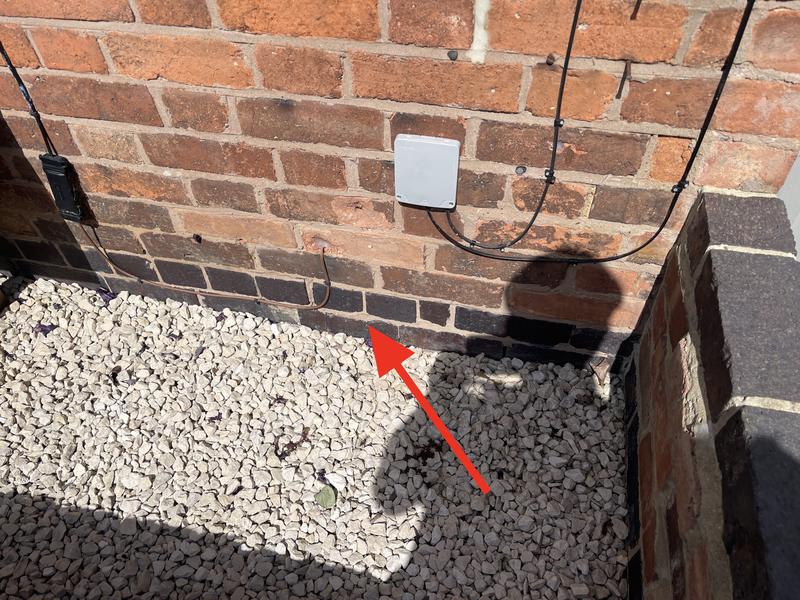
Survey Photograph: This inspection photograph shows a traditional two-course blue engineering brick damp proof course (DPC) installed at the correct height above external ground level. Where an original DPC is present and functioning correctly, a chemical damp proof course is rarely required unless the existing barrier has failed or is absent.
Before recommending chemical damp proofing, an independent MRICS Chartered Surveyor will always assess whether damp is actually caused by rising moisture or by other defects such as high external ground levels, bridging, defective pointing, leaking rainwater goods or condensation.
| 🧱 Damp Diagnosis | 🧪 Existing Damp Proof Course |
|---|---|
| Correctly identifying the source of moisture is essential before considering a chemical damp proof course. | Many properties already have a functioning damp proof course that should be assessed before installing an injected DPC. |
| 🏠 Internal Damage | 💷 Treatment Costs |
|---|---|
| Untreated damp can lead to damaged plaster, decoration and, in some cases, timber decay if the underlying cause is not resolved. | Accurate diagnosis can prevent unnecessary chemical damp proofing and ensure any remedial work addresses the real cause of the damp. |
When Are Chemical Damp Proof Courses Appropriate?
🧱 Confirm Rising Damp
Before installing a chemical damp proof course, the source of damp should be correctly diagnosed. Rising damp is far less common than condensation, plumbing leaks or external defects.
🧪 Check the Existing DPC
Many properties already have an effective damp proof course. An independent survey should establish whether it has failed, been bridged or remains fully functional before any treatment is recommended.
🔨 Install the Correct Treatment
Where genuine rising damp is confirmed, a professionally installed chemical damp proof course can provide an effective replacement barrier. Replastering with a suitable salt-resistant system may also be required.
🏠 Resolve External Defects
Chemical damp proofing will not cure damp caused by high ground levels, defective rainwater goods, leaking pipework or poor ventilation. These defects should always be addressed alongside, or instead of, DPC installation where appropriate.
When Should You Get a Survey?
If you’re considering installing a chemical damp proof course or have been told your property has rising damp, an independent RICS Home Survey can help identify the true cause of the problem. A Chartered Surveyor will assess whether damp is caused by rising moisture, condensation, leaks, bridging or external defects before recommending any remedial work, helping you avoid unnecessary expense and ensuring the correct solution is identified.
Frequently Asked Questions
Do chemical damp proof courses really work?
Yes, but only where genuine rising damp has been correctly diagnosed. Chemical damp proof courses can be an effective treatment when installed correctly into walls affected by rising damp. However, they will not resolve damp caused by condensation, high external ground levels, leaking gutters, plumbing defects or a bridged damp proof course.
How can I tell if I have rising damp?
Rising damp typically affects the lower part of ground floor walls and may cause tide marks, salt deposits, damaged plaster and peeling decoration. However, these symptoms can also be caused by other forms of damp, so an independent survey is recommended before any treatment is carried out.
Do all damp walls need a chemical damp proof course?
No. Many damp problems are caused by defects that do not require chemical damp proofing. An independent Chartered Surveyor will investigate the source of moisture before recommending the most appropriate remedial solution.
Can a chemical damp proof course be installed if the original DPC is still present?
Yes. In some cases an injected chemical damp proof course may be appropriate if the original damp proof course has failed. However, if the existing DPC is still effective and the damp is caused by bridging or another defect, installing a chemical DPC is unlikely to solve the problem.
Will a RICS Home Survey identify whether I need a chemical damp proof course?
Yes. A RICS Home Survey assesses the likely cause of damp and identifies whether further specialist investigation or remedial work is required. This helps ensure the correct diagnosis is made before unnecessary damp proofing treatments are recommended.
Arrange Your RICS Home Survey
Buying a property with signs of damp or other building defects?
Our independent MRICS Chartered Surveyors provide RICS Home Surveys across the Midlands, East Anglia and the South East, helping buyers identify defects before they exchange contracts.